CASE — 04 / RTL / 2012 — 2018
Building the department, the platform and the brand identity that shaped RTL's digital decade
— AT A GLANCE
ROLE
Design Director / Creative Director
TIMEFRAME
2012 - 2018
LOCATION
Hilversum
TEAM
Multidisciplinary team of designers and frontend developers
SCOPE
Digital extensions of RTL's TV shows · Videoland rebrand and launch · RTL Nederland rebrand rollout
OUTCOME
A department where internal clients preferred to work with in-house teams rather than external agencies.
Videoland was built, launched, and positioned under the RTL umbrella.
The new RTL identity was rolled out across the entire organization, from the corporate platform to the building itself.
— CONTEXT
RTL Nederland decided to consolidate its creative talent into a single department. Designers and frontend developers who had worked independently across the organization were brought together under one roof. I was brought in to lead that department.
The mandate was clear in principle but open in practice: build a team the business could rely on, and prove that working with this department was the right choice, creatively, operationally, and commercially.
— CHAPTER 1: BUILDING THE TEAM
When I arrived, the people were there. What wasn't there yet was a team.
Individuals who had worked independently for years now shared a department. Getting them to function as a cohesive unit took over a year of intentional effort: trusting each other, taking ownership, and handling complex projects on their own.This involved coaching, redefining roles when necessary, and sometimes making tough decisions about fit.
Along with the internal work, I dedicated significant time to building trust with the business. Internal clients needed to be convinced that choosing to work with us was the smarter option compared to external agencies. Over time, that trust became the foundation for everything that followed.
It is about creating the conditions in which good work becomes possible.
— CHAPTER 2: THE VOICE OF HOLLAND
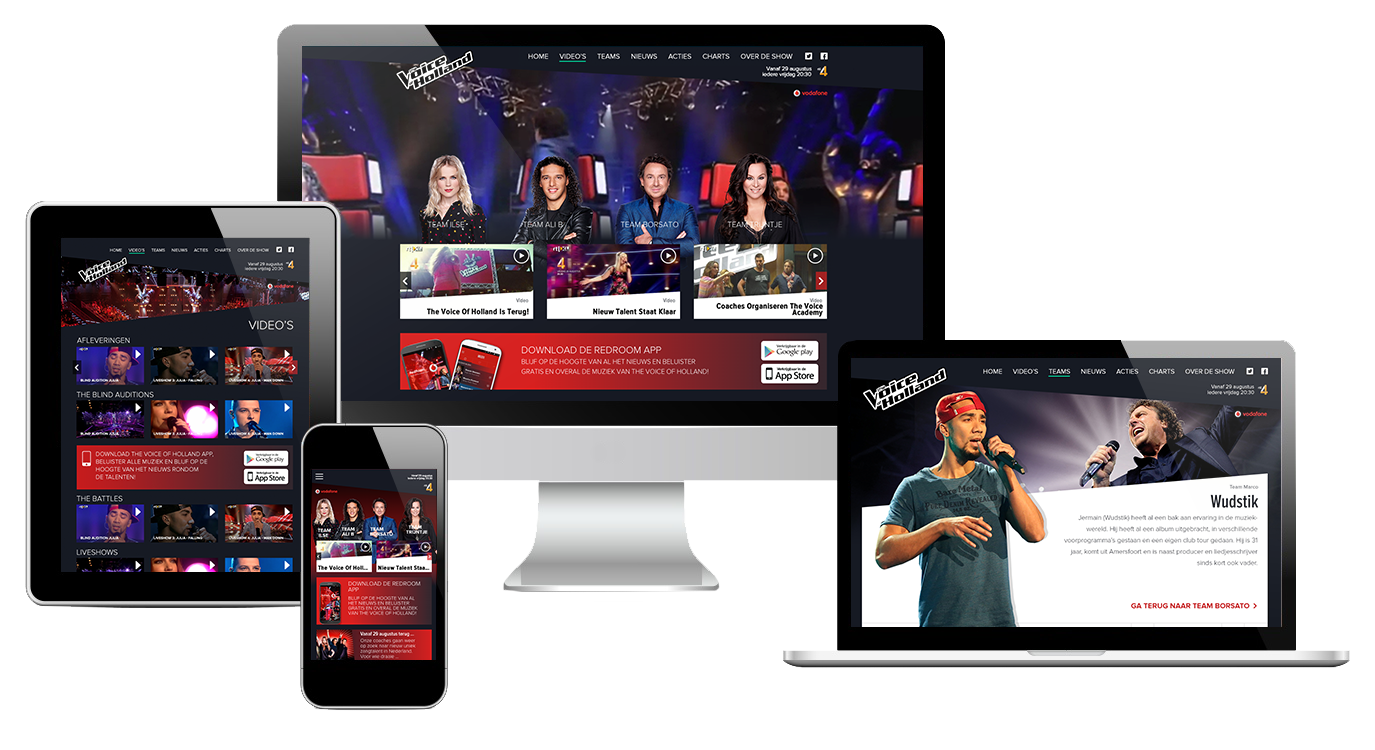
The Voice of Holland was one of RTL's top shows. Each season, the digital team had complete creative freedom to build a new website from scratch, intentionally aligning with the show's goals and reflecting current design and technology.
The first two editions were handled by a designer on my team. For the third, we faced a capacity problem. An illness that summer left us short-staffed at the worst possible time. Instead of compromising on a program with such visibility, I cleared my schedule and managed the design myself.
The previous editions relied heavily on visual impact: ambitious, layered, expressive. Given the circumstances, I chose a different approach: designing as economically as possible. Not minimal for aesthetic reasons, but lean out of necessity, reducing development risk during a time when we were already stretched thin.
The result held the quality bar the program demanded and shipped on time.
Restraint under pressure is its own form of craft.
— CHAPTER 3: VIDEOLAND
RTL already had its own streaming platform, RTL XL. However, RTL XL was limited to RTL's content and audience. As Netflix grew into a major player in the Dutch market, RTL needed a different approach: a neutral brand that could acquire content from studios not partnering directly with RTL, reach audiences beyond its current viewers, and provide a credible Dutch alternative to what Netflix was developing.
Videoland was that answer.
My contribution began at the start of the project. I assembled the team that would develop the new platform: selecting the right designers and, for the first time in my department, hiring a freelance interaction designer. Up until then, interaction design as a dedicated discipline hadn't been part of our work. Structured testing also became a significant part of our process for the first time.
I was deeply involved in the initial explorations: sketching, determining the direction, and guiding the team through the uncertainty of creating something new while the organization was still defining what Videoland was going to become.
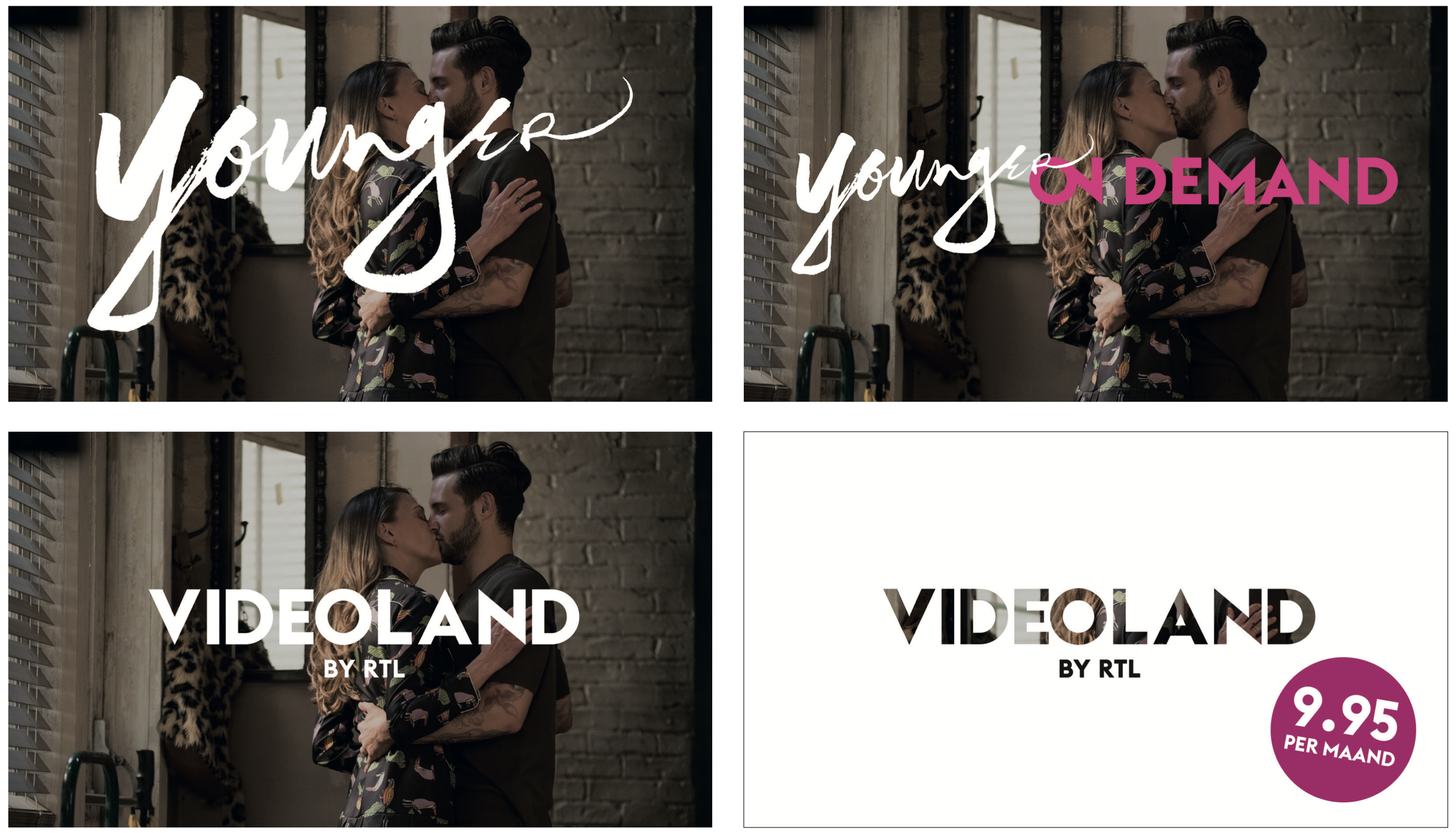
The logo was last. As the platform approached completion, the question of market positioning became urgent: how do you relaunch a brand that Dutch audiences had associated with renting videos since the eighties? The answer was to bring it visibly under the RTL umbrella, and since RTL was already in the middle of its own rebranding, aligning the Videoland identity with that new direction was the logical move. I redesigned the logo within the emerging RTL design language, adding BY RTL as a quality signal for a platform entering a new era.
— CHAPTER 4: THE RTL REBRAND
When the RTL Nederland rebrand was initiated, an external design agency had already established the strategic direction. My job was to bring everything they created to life throughout the organization: new logos, colors, design principles, and illustrations.
That work had three dimensions.
The corporate platform. RTL operated three separate websites for press, careers, and advertising, each serving a completely different audience. I unified all three within a single corporate environment without losing what made each successful. Acting as both product owner and art director, I assembled a team of a designer, an interaction designer, and developers, then built the new platform from the ground up.
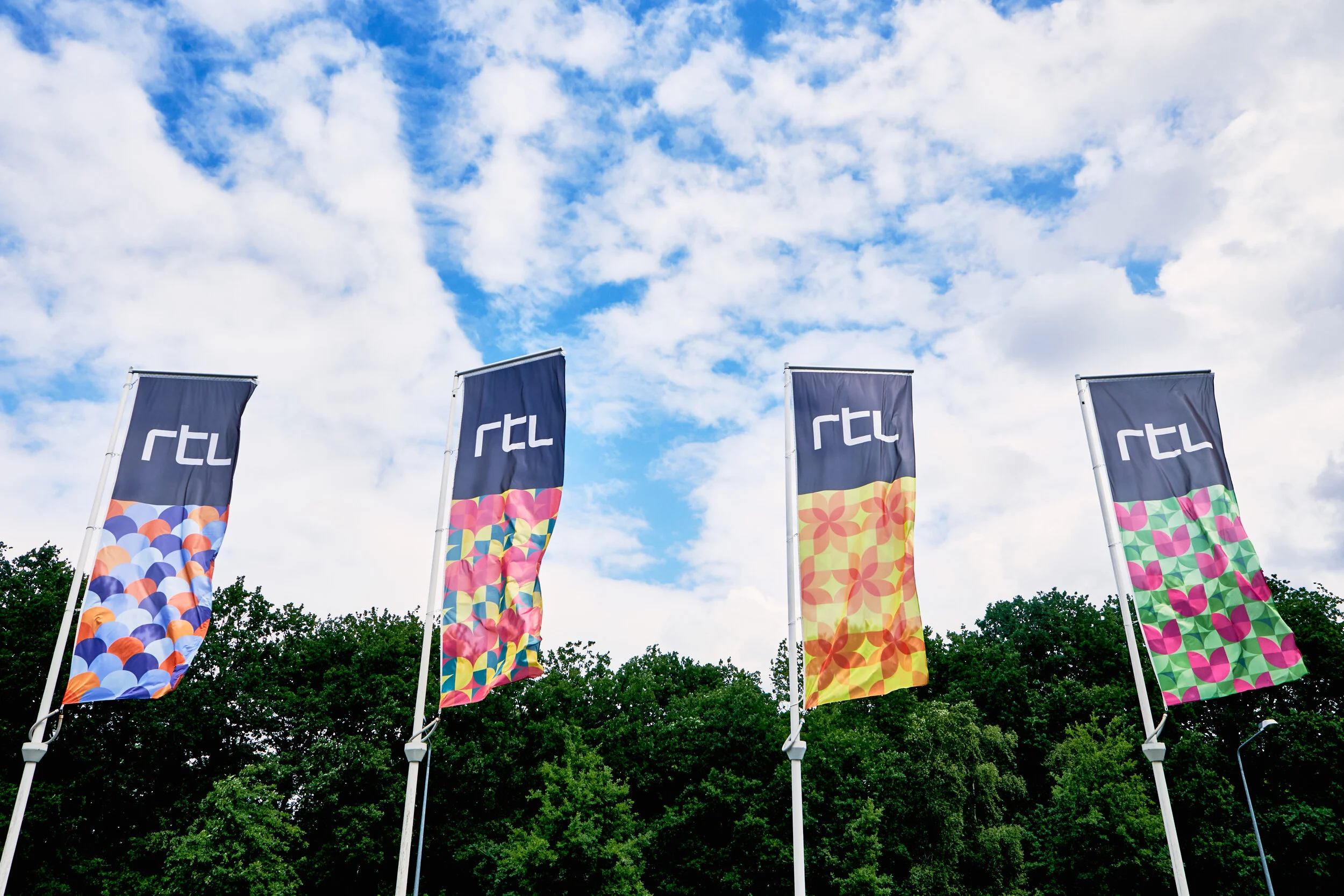
Internal rollout. The rebrand needed to be visible throughout the entire organization. I designed every physical aspect of the new RTL identity, including letterhead, business cards, building signage, reception desk, wayfinding, and promotional materials. The assets were provided by the agency. Making them into a cohesive presence throughout the building was my responsibility.
The launch campaign. The commercial introducing the new RTL brand was created by an external agency in Amsterdam. I was actively involved in developing the concept and production, ensuring the campaign reflected what the rebrand was truly about.
Concept and final creative direction credits go to Natwerk in Amsterdam
— REFLECTION
Six years at RTL taught me that design leadership is rarely about the work itself. It is about creating the conditions in which good work becomes possible.
Building a team that could operate independently, earn trust from a business that needed convincing, assemble the right people for a streaming platform that didn't exist yet, and translate a rebrand across every surface of an organization: none of this appeared in the final designs. But without it, the final designs wouldn't have been what they were.
The most satisfying moments weren't the launches. They were when the team no longer needed me to make decisions, and when internal clients started coming to us first.